
Understanding Casino Games
To master winning strategies in casinos, it is essential to have a deep understanding of the various games available. Each game, whether it’s poker, blackjack, or slots, has its own set of rules, odds, and strategies that can influence the outcome. For instance, poker is a game of skill and strategy, where players must read their opponents, manage their bankroll, and know the probabilities to improve their chances of winning. Moreover, players often explore non gamstop betting sites to diversify their options and enhance their gaming experiences.
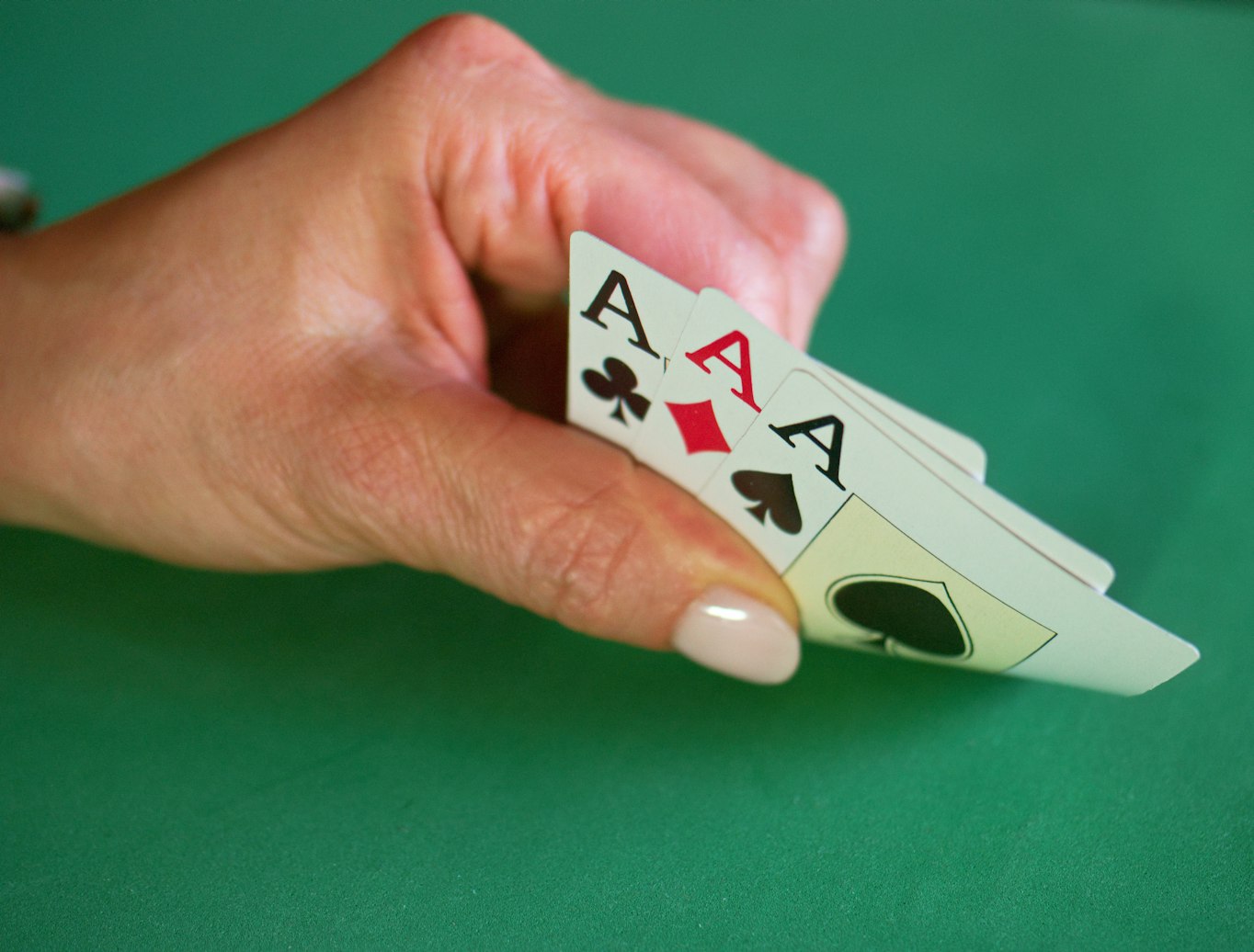
On the other hand, games like slots are predominantly luck-based, where outcomes are governed by random number generators. However, players can maximize their chances by selecting machines with higher payout percentages or using strategies like bankroll management to prolong gameplay and minimize losses. Understanding the nuances of each game is a critical first step in developing effective strategies.
Bankroll Management Techniques
One of the most important aspects of winning in casinos is effective bankroll management. This involves setting a budget for your gambling activities and sticking to it, regardless of wins or losses. By doing so, players can ensure that they do not overspend and can enjoy their gaming experience without financial stress. A common strategy is to divide your bankroll into smaller portions, allocating specific amounts for each session or game.
Additionally, it’s crucial to know when to walk away. Setting win and loss limits can help gamblers avoid making impulsive decisions driven by emotions. For example, deciding to cash out after a certain profit margin can prevent players from giving back their winnings. This disciplined approach to managing one’s bankroll is often the key to long-term success in casinos.
Game Strategies
Developing game-specific strategies can significantly improve a player’s chances of winning. In games like blackjack, understanding basic strategy charts can help players make mathematically sound decisions regarding hitting, standing, or doubling down. These strategies are based on statistical probabilities and can lower the house edge effectively.
In contrast, strategies for games such as roulette might involve betting systems like Martingale or Fibonacci. While these systems can create the illusion of winning, it’s imperative for players to remember that no strategy can guarantee results. Instead, the focus should be on enjoyment and responsible gaming while implementing these strategies to enhance the experience.
The Role of Psychology in Gambling
Psychology plays a significant role in gambling strategies. Recognizing psychological biases, such as the gambler’s fallacy (the belief that past events can influence future outcomes), can help players make more rational decisions. Understanding these mental traps can prevent impulsive betting and encourage a more analytical approach to gameplay.
Moreover, maintaining a positive mindset and emotional control is vital. Winning streaks can lead to overconfidence, while losing streaks can foster a sense of frustration. By cultivating self-awareness and emotional discipline, players can navigate the highs and lows of gambling more effectively, ultimately leading to better decision-making.

Support for Gamblers
For individuals seeking to improve their casino experiences, resources are available that provide guidance and support. Websites dedicated to gambling education offer strategies, tips, and forums where players can share experiences and advice. Such communities create a safe space for discussing challenges and successes, fostering an environment of mutual support.
For those who may be struggling with gambling addiction or negative patterns, gaining access to counseling services and support groups can be crucial. Organizations dedicated to helping individuals affected by gambling-related issues provide tools and resources that empower users to make informed decisions and reclaim control over their gaming habits.